The K-1 visa, often called the fiancé(e) visa, allows a U.S. citizen to bring their foreign-national fiancé(e) to the United States for the purpose of marriage. Once the couple marries within 90 days of the fiancé(e)'s arrival, the foreign spouse can apply to adjust status to lawful permanent residence. The process looks straightforward on paper. Small mistakes, though, can add months of delay or lead to a denial. This guide walks through how the K-1 process works and the pitfalls we most often help clients avoid.
How the K-1 process works
1. The petition (Form I-129F). The U.S. citizen files Form I-129F with U.S. Citizenship and Immigration Services (USCIS) to establish the bona fide relationship. You'll need to show that you and your fiancé(e) have met in person within the last two years (limited exceptions apply), that you are both legally free to marry, and that you intend to marry within 90 days of entry.
2. USCIS review and NVC transfer. After USCIS approves the petition, the case moves to the National Visa Center and then to the U.S. embassy or consulate in your fiancé(e)'s home country.
3. The visa interview. Your fiancé(e) attends a consular interview, completes a medical exam, and submits supporting documents. If approved, they receive the K-1 visa and can travel to the United States.
4. Marriage and adjustment of status. The couple must marry within 90 days. The foreign spouse then files Form I-485 to become a lawful permanent resident.
Common mistakes to avoid
Thin relationship evidence. Consular officers look for proof of a genuine relationship. Photos together over time, travel records, messages, and evidence of shared plans matter. A sparse file invites additional scrutiny.
The two-year in-person meeting rule. You generally must have met in person within two years of filing. Keep documentation of the visit: boarding passes, passport stamps, and photos.
Assuming marriage abroad is faster. If you marry before your fiancé(e) enters the U.S., the K-1 is no longer the right path. You'd need to pursue a spousal visa instead. Choosing the wrong path early is a common, costly error.
Missing the 90-day marriage window. The 90 days is firm. Plan the wedding logistics before your fiancé(e) arrives.
Overlooking the affidavit of support. The U.S. citizen must show the financial ability to support their fiancé(e). Falling short of the income requirement, without a qualified joint sponsor lined up, is a frequent reason for delay.
How a lawyer helps
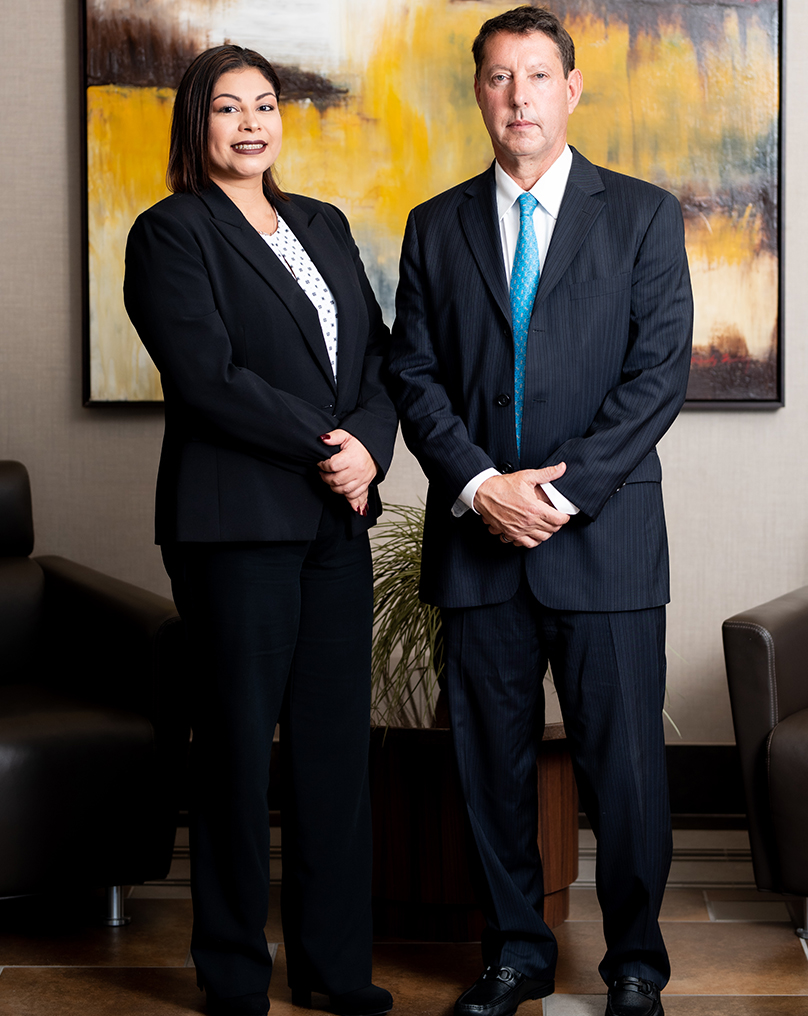
An immigration attorney helps you assemble persuasive relationship evidence, choose the correct visa path for your situation, respond to any Request for Evidence, and prepare for the consular interview. The goal is a complete, well-documented petition the first time, which is the best way to reduce delay.
Every case is different, and the information here is general and not legal advice. If you are considering a K-1 fiancé visa, our immigration team is glad to talk through your specific situation.
Talk to an Immigration Attorney at Portner & Shure
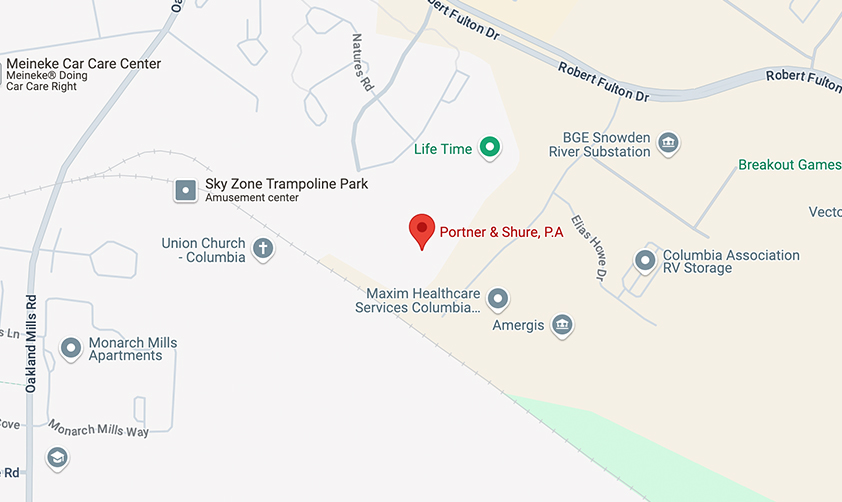
Every case turns on its own facts, and a short conversation is the fastest way to find out where you stand. Call Portner & Shure at (410) 995-1515 for a free consultation, or contact us online. We have offices across Maryland and Virginia and have recovered over $700 million for our clients.