A car accident is disorienting, and the choices you make in the minutes, days, and weeks afterward can affect both your health and any claim you may bring later. This guide walks through the steps we most often talk clients through, plus the rules that are specific to Virginia. It is general information, not legal advice, and every case is different.
In the first minutes
1. Get to safety and call 911. If it is safe to do so, move vehicles out of traffic. Check yourself and others for injuries and report the crash. A police report creates an independent record of what happened, which can be valuable later.
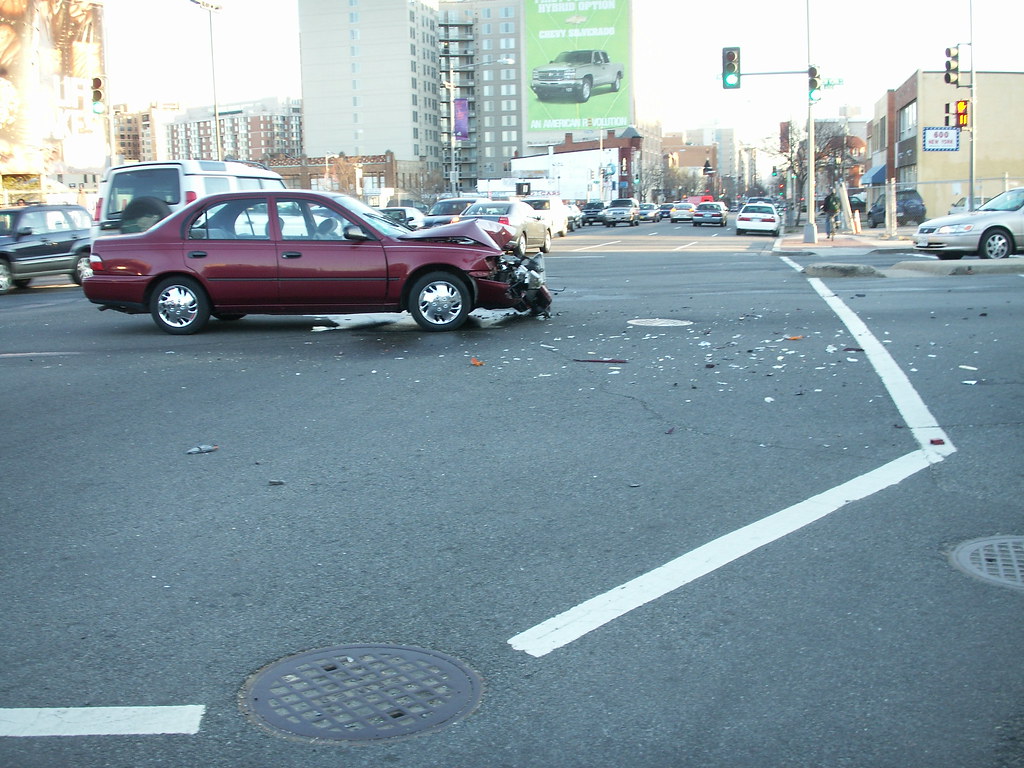
2. Document the scene. If you are able, take photos of the vehicles, their positions, the damage, license plates, road conditions, and any visible injuries. Exchange name, contact, insurance, and license-plate information with the other driver, and get names and numbers for any witnesses. Don't admit fault or argue about who caused the crash. Just stick to exchanging information. In Virginia this matters even more than in most states, for a reason covered below.
In the first days
3. Seek medical care promptly. Even if you feel "okay," some injuries don't show themselves right away. Whiplash, concussions, and soft-tissue injuries can take hours or days to surface. Getting evaluated protects your health and connects your injuries to the crash. Long gaps or delays in treatment are one of the most common things an insurance company points to when it wants to reduce or deny a claim.
4. Report the accident to your insurer, but be careful about it. Most policies require you to notify your own insurance company. Stick to the basic facts: when, where, and who was involved. You are generally not required to give a recorded statement to the *other* driver's insurer, and it is wise to talk to a lawyer before doing so. Adjusters are trained to ask questions in ways that can minimize your claim.
Protecting your claim
5. Preserve evidence. Keep everything: the police report number, photos, medical records and bills, repair estimates, and a simple log of missed work and how the injuries affect your daily life. Do not repair or dispose of your vehicle before it has been documented.
6. Be careful on social media. Insurers do review public posts. A photo that seems harmless can be taken out of context to suggest you are not as hurt as you actually are.
7. Know when to call a lawyer. You do not have to handle a serious claim alone. That's especially true before giving a recorded statement, if fault is disputed, or if you were seriously injured. A consultation is a low-risk way to understand your options.
The Virginia rules that shape your claim
Contributory negligence. Virginia is one of only a handful of states that still follows the strict "contributory negligence" rule: if you are found even partially at fault for the crash, it can bar your recovery entirely. This is why documenting the scene carefully and never speculating about fault matters so much in Virginia. A stray "I'm sorry" at the roadside can be turned into an argument that costs you the whole claim.
MedPay instead of PIP. Virginia does not have no-fault PIP benefits the way some neighboring states do. Instead, Virginia policies often include optional Medical Expense Benefits ("MedPay"), which pays your medical bills after a crash regardless of fault, up to the limit you purchased. If you have MedPay, it can be used on top of what you recover from the at-fault driver. Many clients do not realize they carry it, so check your policy or ask us to check.
The deadline is shorter here. In Virginia you generally have two years from the date of the accident to file a lawsuit for your injuries. That's a full year less than Maryland next door. Property-damage claims have their own, longer deadline. Two years passes quickly when treatment alone can take months, so early legal work matters more in Virginia than almost anywhere.
Uninsured drivers. Virginia policies include uninsured/underinsured motorist coverage, and Virginia now requires drivers to carry insurance. If the other driver has no coverage or not enough, your own UM coverage may step in. A claim against your own carrier still needs to be handled carefully, because your insurer's interests and yours are not the same in that negotiation.
What a lawyer actually does with all this
Beyond the paperwork, a Virginia car-accident lawyer's job is to keep the contributory-negligence trap closed, make sure every available coverage is identified (the at-fault driver's liability policy, your MedPay, your UM coverage, sometimes an employer's policy), document the full extent of your injuries, and negotiate from evidence instead of hope. Every case is different, and nothing here is a promise about any particular outcome.
If you were hurt in a car accident in Virginia, Portner & Shure offers consultations, and we handle crashes across the Commonwealth. We can tell you what your specific deadlines are, what coverage applies, and what your claim actually involves.
Talk to a Personal Injury Attorney at Portner & Shure
Every case turns on its own facts, and a short conversation is the fastest way to find out where you stand. Call Portner & Shure at (410) 995-1515 for a free consultation, or contact us online. We have offices across Maryland and Virginia and have recovered over $700 million for our clients.