Menu
Book a Free Consultation
(410) 995-1515Available 24/7 Free Consultation
(410) 995-1515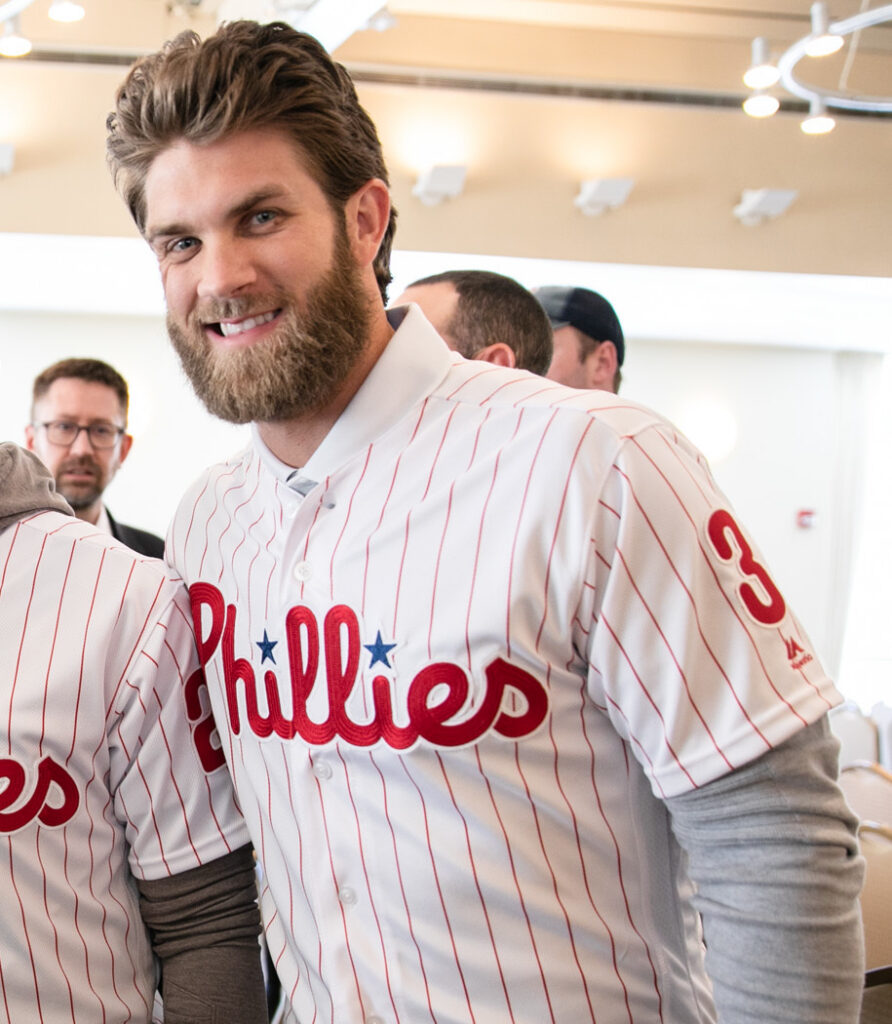
A viral moment has put a national spotlight on a gambling-addiction lawsuit that could reshape how courts think about sportsbooks' responsibility to their most vulnerable customers.
Terry Thompson, a Pennsylvania man, sued FanDuel, DraftKings, the NFL, and sports-data provider Genius Sports, alleging the companies knowingly designed their platforms to foster compulsive gambling. Thompson says he placed his first FanDuel bet in 2020 and eventually wagered roughly $18.5 million with the company. Along the way he unlocked VIP status, complete with perks like champagne and Super Bowl tickets that the lawsuit alleges were designed to keep him gambling. As his losses mounted (he says he lost more than $1.5 million on FanDuel and $336,000 on DraftKings), he took out additional mortgages and sold his business to keep funding his habit. In February 2026, after losing his last $10,000 on a parlay bet, he reached a breaking point serious enough to prompt a police welfare check.
What turned this into national news: FanDuel arranged a personalized Cameo-style video from Philadelphia Phillies star Bryce Harper for Thompson, wishing him and his family a happy Thanksgiving, naming his child, and thanking him "for all his support," branded with the FanDuel logo. It was part of a VIP retention effort aimed at keeping a known high-volume bettor engaged.
Harper has publicly distanced himself, stating on Instagram that he wouldn't have made the video had he known FanDuel intended to use it this way or known about Thompson's gambling habits. He isn't a defendant in the lawsuit, but legal analysts have noted his statements could support his own separate claims against FanDuel, including false endorsement, misappropriation of likeness, and invasion of privacy.
This isn't an isolated filing. A similar suit was brought by a former Jacksonville Jaguars employee alleging FanDuel "actively and intentionally targeted and preyed on" his gambling addiction with incentives and gifts. Baltimore's city government has also separately sued DraftKings and FanDuel, alleging the companies used deceptive practices to target vulnerable bettors. That suit cites over $457 million in sports gambling by Baltimore residents on the two platforms in a single month.
The Thompson case is notable for another reason: it's reportedly the first to name individual VIP hosts as defendants, not just the sportsbook companies themselves. That argues the humans running these retention programs bear responsibility too, not just the platform's design.
FanDuel and DraftKings are fighting back, arguing in court filings that a free mobile app isn't a "product" subject to product-liability law in the first place. That threshold legal question could determine whether this entire wave of litigation can proceed.
Legal sports betting has expanded rapidly since 2018, and with it, a wave of lawsuits arguing the industry's data-driven, personalized promotion tactics cross the line from marketing into engineered addiction. Whatever happens in the Thompson case, it's likely to shape how courts, and states considering their own gambling regulations, think about what sportsbooks owe the people they're courting hardest.
If you or someone you know is struggling with gambling addiction, the National Council on Problem Gambling helpline (1-800-522-4700) is a free, confidential resource.


Expect More with
Portner & Shure
The legal system can be intimidating, but you deserve more. Expect more guidance, more dedication, and more results from our experienced trial attorneys every step of the way.