Traumatic Brain Injury (TBI) Classifications After a Car Accident
Traumatic brain injuries range from a mild concussion that resolves in days to a severe injury that changes someone's life permanently. Understanding how doctors classify TBI severity can help you recognize when an injury needs more attention than it first appears to.
How TBI severity is typically classified
Doctors generally use three broad categories, based on factors like loss of consciousness, memory loss, and imaging findings.
- Mild TBI (including concussion): Brief or no loss of consciousness, normal or near-normal imaging, but real symptoms like headache, confusion, or memory problems that can persist for weeks.
- Moderate TBI: Loss of consciousness lasting minutes to hours, with more clear findings on imaging and a longer recovery period.
- Severe TBI: Extended loss of consciousness, significant imaging findings, and often permanent cognitive or physical effects.
The Glasgow Coma Scale
Emergency responders and hospitals often use the Glasgow Coma Scale, a 15-point scale measuring eye, verbal, and motor response, to help classify TBI severity at the scene and in the hospital. A higher score generally indicates a milder injury.
Why "mild" doesn't mean minor
- A mild TBI diagnosis can still involve real, lasting symptoms, including headaches, difficulty concentrating, mood changes, and sensitivity to light or noise
- Some symptoms don't appear until hours or days after the accident, which is why any head impact deserves evaluation
- Repeated mild TBIs can have a cumulative effect that a single mild diagnosis doesn't capture
Why classification matters for your claim
- A documented, specific TBI classification carries more weight than a vague "head injury" note
- Insurers often push back harder on mild TBI claims since there's less to see on standard imaging
- Cognitive and behavioral symptoms, not just physical ones, are a real and compensable part of a TBI claim
What to do after a suspected head injury
- Seek medical evaluation immediately, even if you didn't lose consciousness.
- Follow up if new symptoms appear in the days after the accident.
- Keep a record of cognitive or mood changes, not just physical pain.
- Ask your doctor for a specific diagnosis and classification, not just a general note.
- Talk to an attorney early if a head injury is being minimized by an insurer.
Frequently Asked Questions
Can you have a TBI without losing consciousness?
Yes, loss of consciousness isn't required for a mild TBI or concussion diagnosis, real symptoms can occur without it.
How long do mild TBI symptoms typically last?
Many resolve within weeks, but some people experience symptoms for months, especially without proper rest and treatment.
Does a "mild" TBI diagnosis hurt my claim?
It can make a claim harder to prove since there's often less on imaging, which is why detailed symptom documentation matters.
*This article is general information and not legal advice for any specific state, and does not create an attorney-client relationship.*
Related Resources
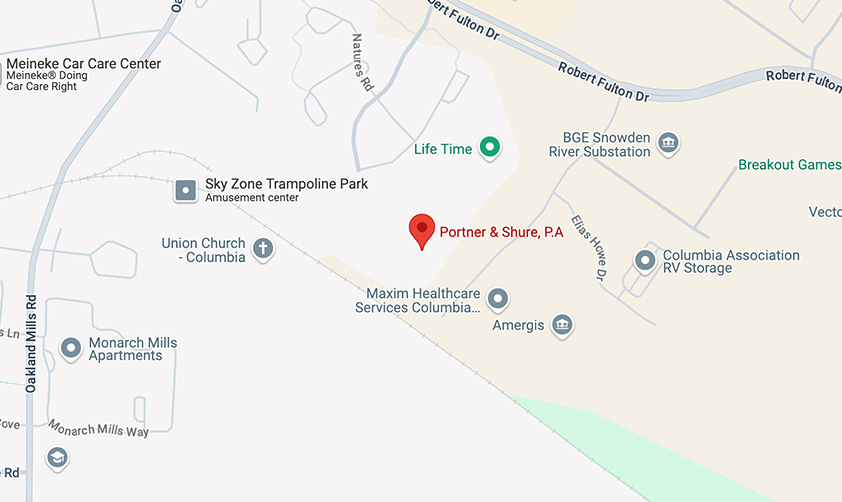
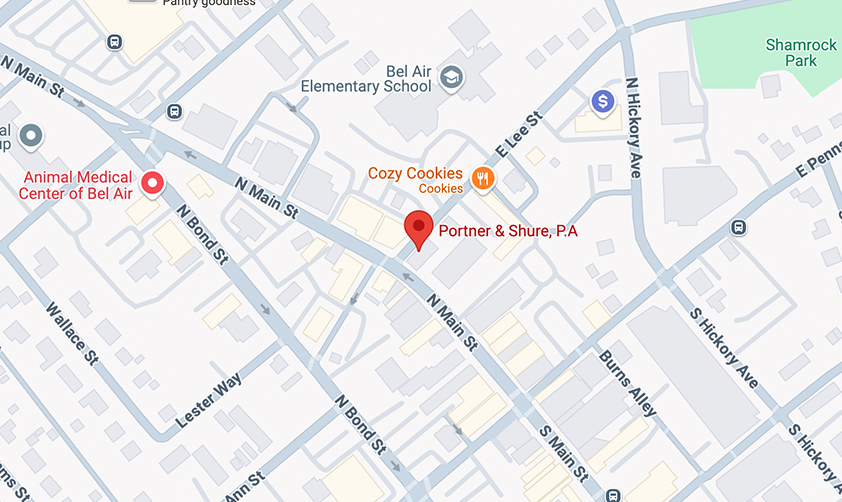
Talk to an Auto / Personal Injury Attorney at Portner & Shure
Every case turns on its own facts, and a short conversation is the fastest way to find out where you stand. Call Portner & Shure at (410) 995-1515 for a free consultation, or contact us online. We have offices across Maryland and Virginia and have recovered over $500 million for our clients.