If you've been in a car accident, you may have heard your insurance agent or a lawyer mention "PIP." Here's what it actually is and how it can help you right after a crash.
The Basic Definition
PIP stands for Personal Injury Protection. It's a type of auto insurance coverage that can pay for your medical expenses and, in many cases, a portion of lost wages after a car accident, regardless of who caused the crash. That "regardless of fault" part is what makes PIP different from standard liability coverage, which only pays out once fault has been determined.
How PIP Works in Maryland
In Maryland, PIP coverage is required to be offered on every auto policy, though drivers can reject it in writing. When it's in place, it typically covers medical expenses and a percentage of lost wages up to policy limits, and it pays out quickly, before liability is sorted out, which can matter a great deal in the weeks right after an accident when bills start arriving.
How It Works in Virginia
Virginia does not require PIP as part of standard policies; it's optional "Medical Expense Benefits" (MedPay) coverage that functions similarly. If you have it, it can help cover initial medical costs regardless of fault. If you don't, and many Virginia drivers don't realize whether they do, your medical bills may need to be handled differently while a claim against the at-fault driver is pending.
Why PIP Matters Even If You Weren't at Fault
Even in a clear-cut accident where the other driver was obviously at fault, their insurance company doesn't have to pay anything until liability is established and a claim is resolved, which can take weeks or months. PIP or MedPay can bridge that gap, covering medical bills and some lost income while the rest of the claim moves forward.
What PIP Does Not Cover
PIP is not the same as a full injury claim. It typically has policy limits (often $2,500 to $10,000 depending on the policy), and it doesn't cover pain and suffering or other non-economic damages the way a liability claim against the at-fault driver can.
[CTA: Not sure what coverage you have, or how to use it after an accident? We can help you figure it out, free of charge.]
FAQ
Do I have to use PIP before filing a claim against the other driver?
In many cases PIP pays out first while the liability claim is still being worked out; the two aren't mutually exclusive, though how they interact can depend on your specific policy and state.
What if I don't know whether I have PIP or MedPay?
It's on your insurance declarations page, or your agent can confirm it. If you're not sure, it's worth checking before assuming you have no coverage for immediate medical costs.
Does using PIP raise my insurance rates?
Generally no, since it's a no-fault benefit you're using regardless of who caused the accident, but confirm with your specific carrier.
*Internal link plan: pairs naturally with the contributory negligence article above; link to/from Maryland and Virginia car accident practice-area pages.*
Related Resources
Talk to an Auto Accident Attorney at Portner & Shure
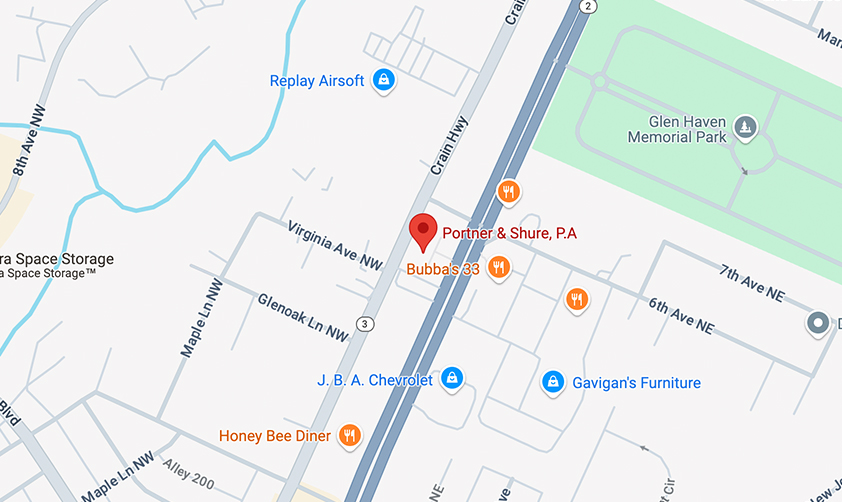
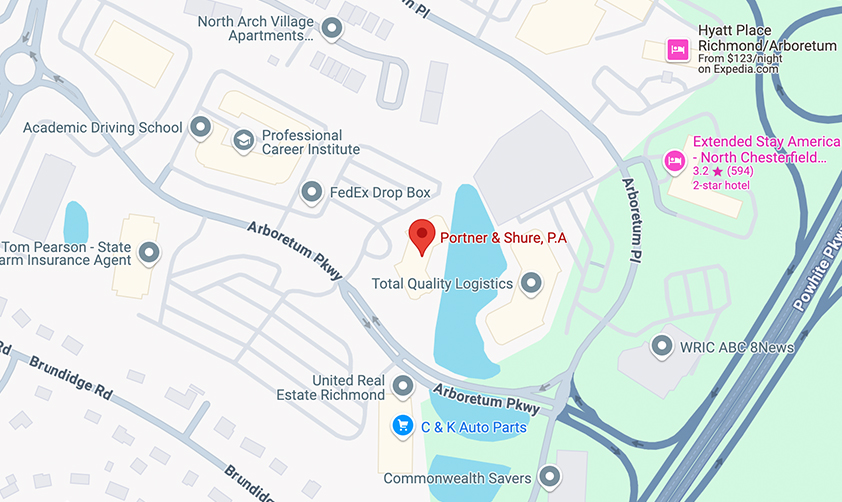
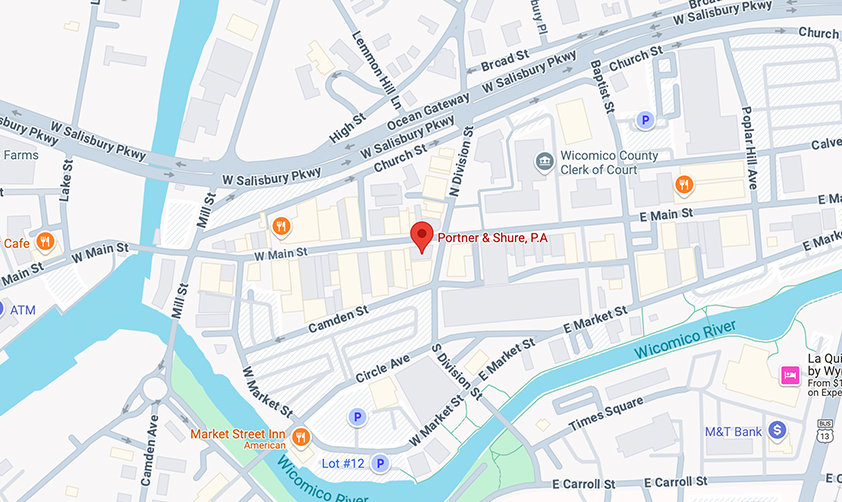
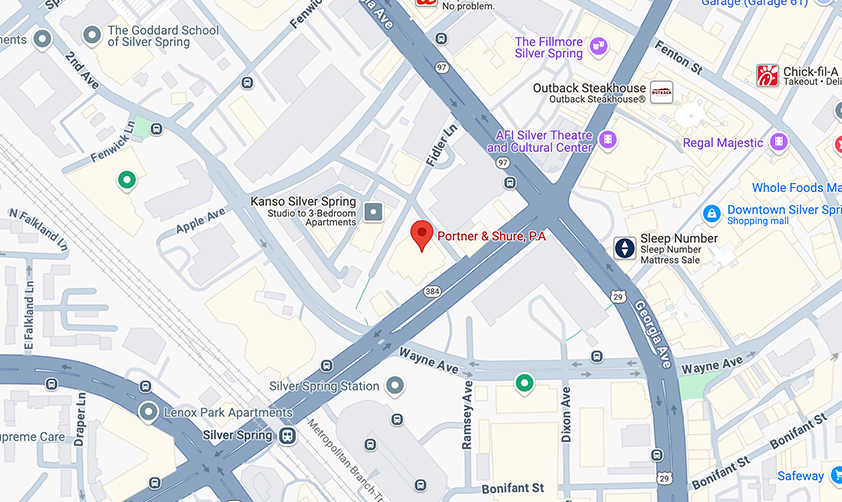
Every case turns on its own facts, and a short conversation is the fastest way to find out where you stand. Call Portner & Shure at (410) 995-1515 for a free consultation, or contact us online. We have offices across Maryland and Virginia and have recovered over $500 million for our clients.