If you've ever looked at a lawyer's business card, email signature, or a court document, you've probably seen "Esq." tacked onto the end of a name; Jonathan N. Portner, Esq., for example. It's a small detail, but it raises a fair question: what does it actually mean?
Esq. Is Short for "Esquire"
"Esq." is an abbreviation for "Esquire." In the United States, it's used almost exclusively as an honorary title for licensed attorneys. When you see it after someone's name, it's a quick signal that the person is a practicing lawyer, admitted to the bar in at least one state.
Where Does the Title Come From?
The term has roots in English tradition, where "esquire" originally referred to a young nobleman training to become a knight, and later described members of the English gentry who ranked just below a knight. Over time, the word crossed the Atlantic and took on a very different meaning in American usage. Today it has nothing to do with nobility. It's simply a professional courtesy title for lawyers, similar in spirit to "M.D." after a doctor's name.
Who Can Use "Esq."?
Only someone who has been admitted to practice law, meaning they've passed a bar exam and hold an active law license, can properly use "Esq." A law school graduate who hasn't yet passed the bar, or someone whose license has lapsed, wouldn't typically use the title. It's meant to identify licensed, practicing attorneys specifically.
Is There a Female Equivalent?
No. "Esq." is gender-neutral and is used the same way for male and female attorneys alike. You'll see it after names regardless of gender.
Why Does It Matter to You as a Client?
Practically speaking, "Esq." doesn't tell you anything about a lawyer's experience, specialty, or track record. It only confirms that the person is a licensed attorney. When you're choosing a lawyer, for a car accident case, a workers' compensation claim, or a criminal defense matter, the title itself isn't what should guide your decision. What matters more is the attorney's actual experience in your type of case, their track record of results, and how comfortable you feel working with them.
Talk to a Licensed Attorney at Portner & Shure
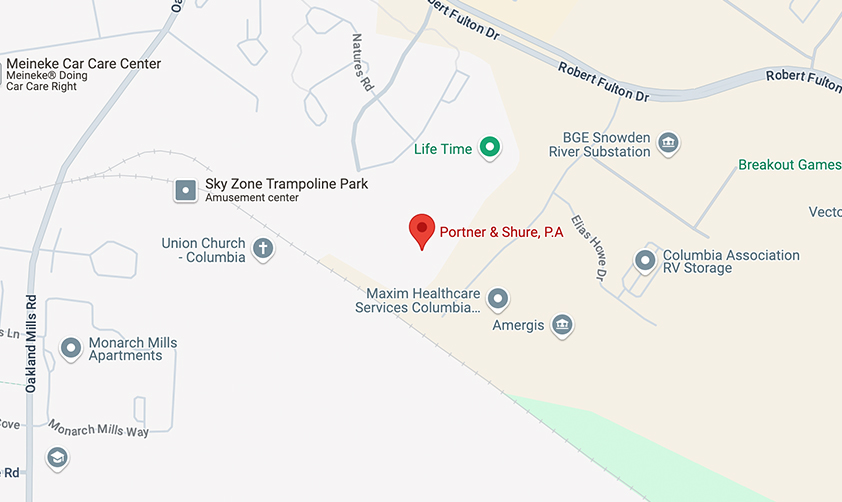
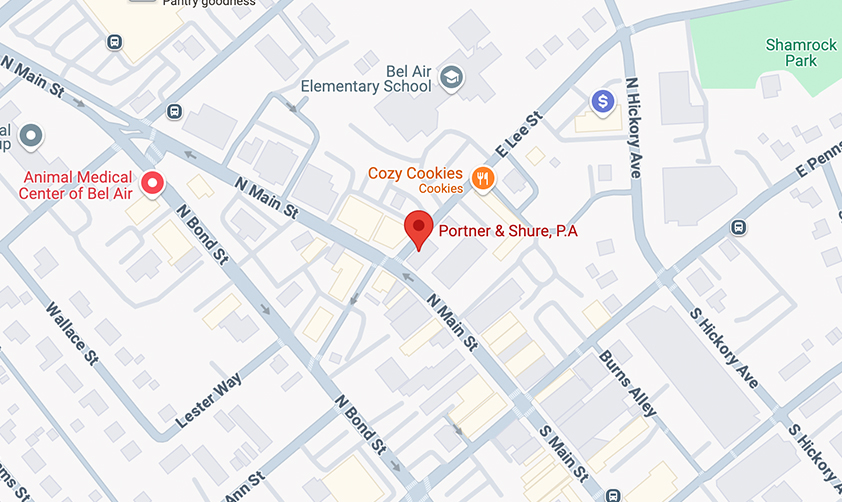
At Portner & Shure, our attorneys aren't just "Esq." on paper, they have decades of combined experience handling personal injury, workers' compensation, and criminal defense cases across Maryland, Virginia, Washington D.C., North Carolina, and Kentucky. If you have questions about your case, reach out for a free consultation.
Call (410) 241-0105 for a free consultation, or contact us online.
FAQ
Is "Esq." a legal requirement?
No. It's a professional courtesy title, not a legal requirement. Attorneys can practice law without ever using it.
Can paralegals or law students use "Esq."?
No. The title is reserved for individuals who are licensed to practice law.
Does "Esq." mean the same thing in every country?
No. Usage varies internationally. This explanation reflects how the title is used in the United States.
*Internal link plan: link from firm bio pages (e.g., attorney profile pages already using "Esq." in the byline) and from the "Our Firm" page. Good candidate for a footer/glossary-style link from other blog posts that reference attorney names.*
Related Resources