Menu
Book a Free Consultation
(410) 995-1515Available 24/7 Free Consultation
(410) 995-1515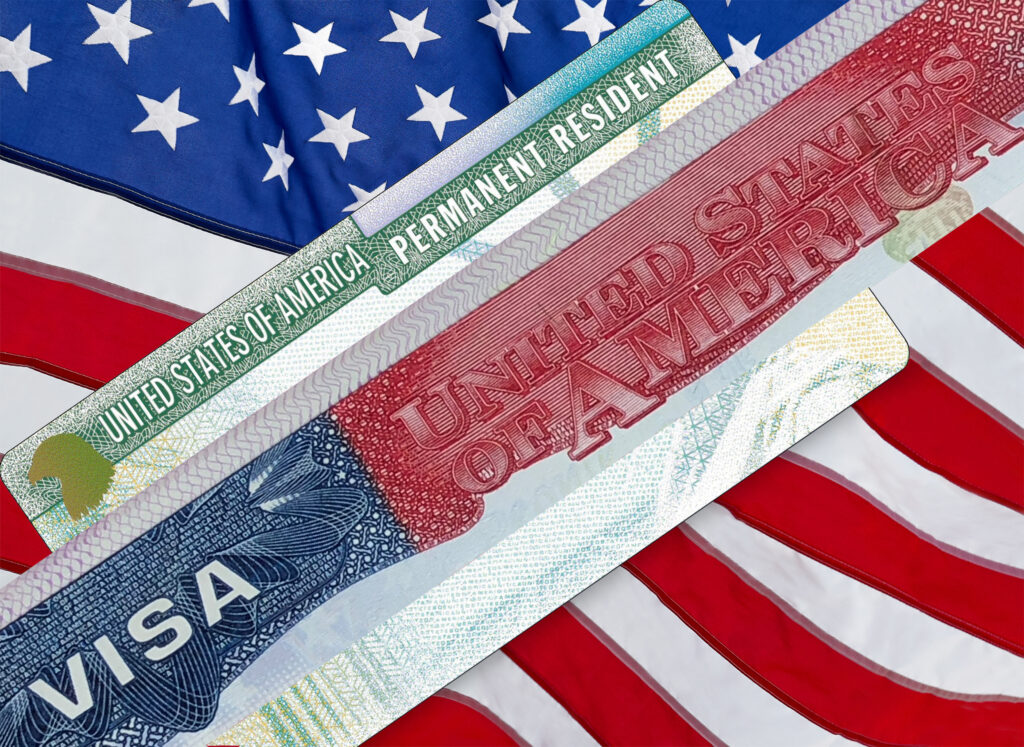
Knowing what U.S. immigration option is right for you can be a confusing process, especially when deciding between a Green Card and an H-1B visa. Each pathway serves different purposes, carries unique requirements, and offers distinct benefits and limitations. Applying for the correct one based on your needs is critical for applicants seeking lawful residency, employment opportunities, or a path to citizenship. Making the right choice can affect your career mobility, family sponsorship options, and long-term status in the United States.
Portner & Shure, P.A., a leading immigration law firm serving Maryland, Virginia, North Carolina, Kentucky, and Washington, D.C., helps individuals and families make informed decisions about U.S. immigration. Our experienced immigration attorneys guide clients through each step of the process, assess eligibility, and ensure that applications and petitions comply with the complex rules of U.S. immigration law. Whether you are seeking permanent residency or temporary work authorization, our team is committed to helping you achieve your goals efficiently and with minimal complications.
Green Cards and H-1B visas offer immigration pathways for living and working in the U.S., each with unique benefits and requirements. Understanding these options helps immigrants plan strategically amid evolving policies.
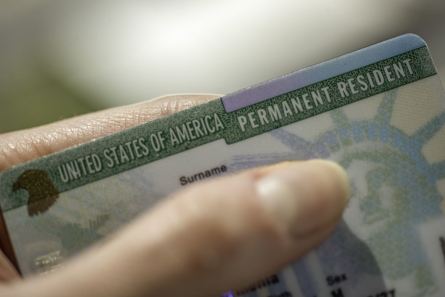
A Green Card grants lawful permanent residency in the United States, allowing holders to live and work freely without restrictions. It provides a stable foundation for long-term planning, family sponsorship, and eventual eligibility for U.S. citizenship. Green Card holders can travel internationally without jeopardizing their status, provided they maintain residency requirements, and are able to work in any job or profession without employer restrictions.
The H-1B Visa is a temporary, employment-based visa for foreign professionals in specialty occupations, such as engineering, IT, healthcare, and finance. It allows individuals to work in the U.S. for a sponsoring employer, typically for an initial period of three years, with the possibility of extension up to six years. H-1B visas are often subject to annual caps, making timely filing and strategic planning crucial.
Green Card eligibility may be based on family sponsorship, employment, extraordinary ability, refugee/asylum status, or other humanitarian programs. Applicants must meet category-specific criteria and may need employer sponsorship or a qualifying relative.
Whereas, H-1B Visa eligibility requires a job offer from a U.S. employer, proof of a specialty occupation requiring a bachelor’s degree or higher, and compliance with U.S. Citizenship and Immigration Services (USCIS) regulations. Visa applicants often compete in a lottery due to limited annual caps.
Green Cards and H-1B visas differ fundamentally in permanence, flexibility, and long-term benefits for U.S. immigrants. These distinctions guide choices between temporary work and permanent residency paths.
Green Cards suit long-term U.S. settlement, while H-1B visas fit short-term professional entry; choosing depends on your career goals and family plans.
A Green Card is ideal for those seeking long-term residency, career flexibility, and a pathway to citizenship. An H-1B visa is often preferable for professionals starting their U.S. careers, exploring temporary opportunities, or awaiting employer sponsorship for a Green Card.
Many H-1B visa holders eventually pursue employer-sponsored Green Cards. This transition involves careful planning, filing petitions in a timely manner, and navigating labor certification and USCIS procedures. Professional guidance can help applicants avoid pitfalls and minimize processing delays.
Portner & Shure, P.A. helps clients across Maryland, Virginia, North Carolina, Kentucky, and Washington, D.C., navigate the U.S. immigration system. Our attorneys provide personalized guidance on choosing between a Green Card and an H-1B visa, ensuring applicants understand eligibility, deadlines, and long-term implications.
We assist with:
Working with experienced immigration attorneys helps prevent delays, improve approval chances, and provide peace of mind. Portner & Shure, P.A. ensures clients make informed choices and comply with all requirements, reducing the risk of application denial or status issues.
Whether you are exploring temporary work options or seeking permanent residency, contact us today at (410) 995-1515 for your free consultation and let us help you with your immigration needs. Getting in touch with us early in the process can protect your interests and help you achieve your immigration goals efficiently.


Expect More with
Portner & Shure
The legal system can be intimidating, but you deserve more. Expect more guidance, more dedication, and more results from our experienced trial attorneys every step of the way.